GACC published March 2020 trade data on April 14th and the headline looked almost like good news. Exports fell 6.6% year-over-year, which was a meaningful improvement from February’s catastrophic 17.2%. Some analysts called it a tentative recovery. If you are a procurement manager buying industrial chemicals, resins, or solvents from China, that headline number is actively misleading you about the state of your supply chain. The real story is not about shipment volume. It is about where factory capacity went in March, and once you understand that, your Q2 orders look a lot more vulnerable than the headline suggests.
What Is Actually Inside That -6.6% Number
The overall export figure improved in March for one primary reason: China became the world’s largest PPE exporter almost overnight. In March 2020 alone, China exported 3.86 billion masks. Read that again. 3.86 billion masks, in a single month. The Ministry of Commerce approved more than 10,000 companies for PPE export authorisation during March, a number that would have seemed absurd twelve months earlier.
That manufacturing surge did not appear out of thin air. Factory floor space, production lines, packaging capacity, and logistics bandwidth do not conjure themselves. They get redirected from somewhere. And in March 2020, a significant portion of that redirection came from exactly the chemical and polymer factories your supply chain depends on.
Chemical and raw material exports from China fell harder than the -6.6% overall figure. Factories in Jiangsu, Shandong, and Zhejiang that were running industrial chemical, resin, and solvent production began converting lines to masks, gowns, and medical supplies. Some at government direction, some for cash flow reasons. Either way, the output that would have flowed toward your purchase orders shrank, even if the factory itself never technically shut down.

How the Conversion Actually Worked on Factory Floors
A textile or polymer manufacturer in Jiangsu making polyester resin or non-woven fabric already had most of the infrastructure in place for meltblown polypropylene fabric, which is the critical filtration layer inside N95 and KN95 masks. With government coordination and financial support, that factory could retool a production line and begin producing meltblown material within three to five weeks. Thousands of factories made exactly that pivot.
Meltblown polypropylene lines require the same polymer feedstocks those factories already handled. Isopropyl alcohol demand exploded as hand sanitiser production scaled alongside mask production. Solvents used in sanitiser formulas, adhesive resins used in mask nose pieces, chemical binders used in medical gowns: all of these drew from the same inventory pools your supply chain depends on. Your IPA order was not just competing with normal industrial demand. It was competing with global PPE demand that had essentially infinite urgency behind it.
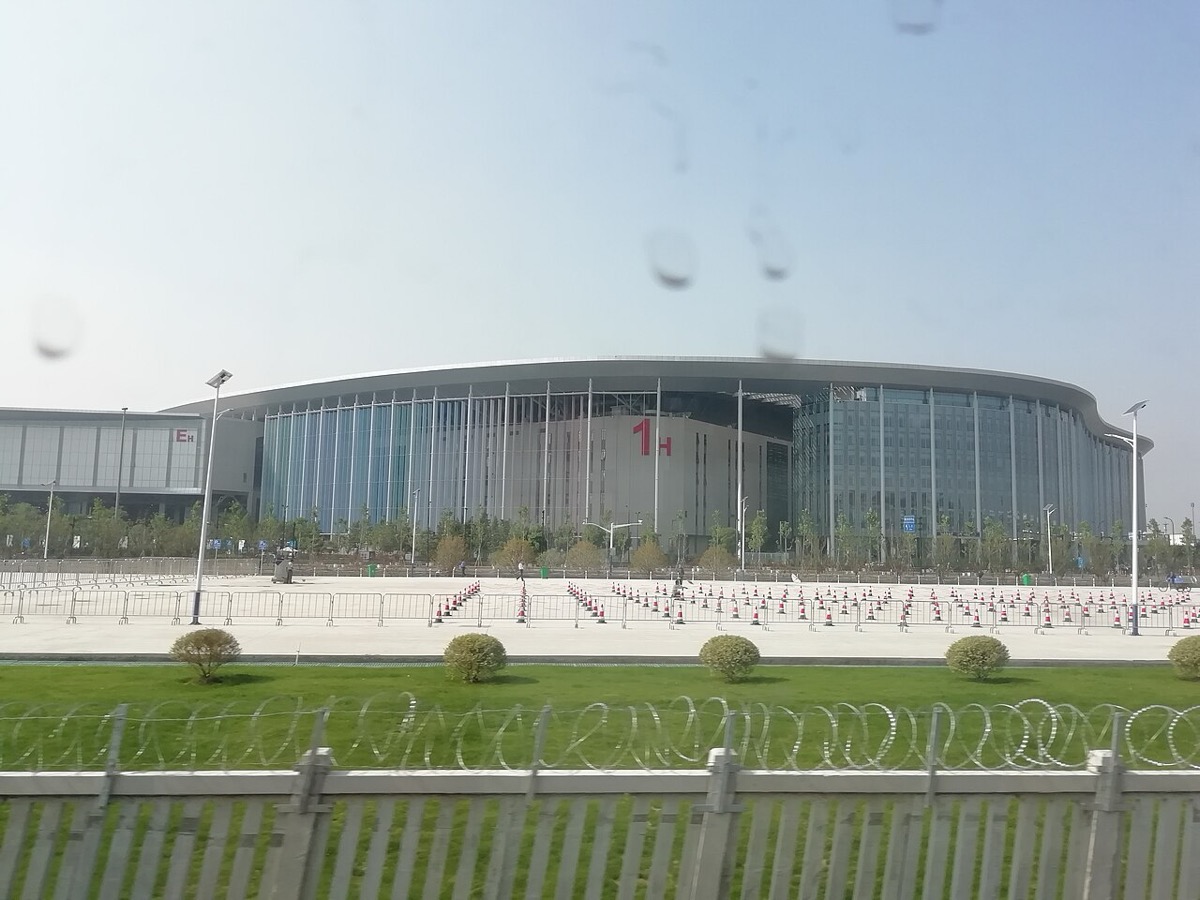
The factories telling you they were “open” in March were often telling you the truth. The specific line that makes your product was a different matter entirely.
The IPA Price Spike and What It Signals
The isopropyl alcohol market in this period tells you everything you need to know about what was happening beneath the headline numbers.
IPA spot prices in China moved more than 40% in the February-March period as demand from domestic and export sanitiser producers overwhelmed normal supply. This was not gradual. It was a spike, and it happened because factories that had been supplying industrial IPA customers for years were suddenly filling sanitiser contracts at prices and volumes that made industrial orders look uninteresting.
| Chemical Category | PPE Demand Driver | Approximate Price Movement Feb-March 2020 | Supply Impact |
|---|---|---|---|
| Isopropyl alcohol (IPA) | Hand sanitiser base ingredient | +40% spot price increase | Severe supply constraint |
| Meltblown polypropylene | N95/KN95 mask filtration layer | Tight to unavailable for industrial buyers | Line conversion away from industrial |
| Non-woven polypropylene resins | Medical gown and mask face fabric | Demand surge from PPE manufacturers | Competing priority allocation |
| Ethanol | Sanitiser and disinfectant production | Significant spot price premium | Spot market allocation to highest bidder |
| Adhesive resins | Mask nose piece and medical device bonding | Moderate tightening | Secondary demand pressure |
If your product uses IPA as a feedstock or processing solvent, your supplier’s input costs jumped 40% in six weeks. Some suppliers absorbed that quietly while they assessed the situation. Others passed it on immediately. The price signal was in the market. You had to be watching it.
How to Verify Your Supplier Is Actually Running Your Product
Travel to China was essentially impossible for foreign buyers in March and April 2020. That changed the verification toolkit completely, and a lot of buyers had not updated their approach. Here is what actually works when you cannot send your own people.
Start with documents, not promises. Request a current production schedule showing your product and a Certificate of Analysis dated within the last 30 days. If the most recent CoA your supplier can produce has a date gap of more than six weeks, that factory probably was not running your specific product at full capacity during that window. A two-month gap is a strong signal they converted lines and are restarting, or have not restarted at all.
Beyond documents, get your supplier on WeChat video and walk them to the production area. Do not accept a scheduled, pre-recorded tour. Call them unannounced if you can. You want to see raw material inventory physically present on the floor, active or recently active processing equipment with residue and heat, and finished goods staging. A clean, quiet floor with no raw materials visible means that line has been idle.
Ask specific questions on the call. When did the line last run? What batch number was produced? Can you show me the batch record? What is the next scheduled production run for my product? Suppliers who have actually been running will answer these questions with specific numbers and dates, without hesitation. Vague answers about being “ready” or having “capacity available soon” are red flags. Push past the first answer.
For your Q2 and Q3 orders: ask your supplier directly whether your purchase order is in a confirmed production queue with a scheduled start date or whether it is sitting in a backlog waiting for line availability. There is a material difference between those two statuses, and suppliers were not volunteering that distinction in April 2020. You had to ask.
The Opportunity Most Buyers Missed
Not every chemical factory in China converted to PPE production, and this is worth paying attention to because it creates genuine leverage for buyers who move quickly.
Factories making specialised industrial chemicals, certain specialty resins, or products with no obvious medical adjacency mostly stayed on their original lines. Those factories in March and April 2020 had a problem many had not faced in years: they were competing hard for orders that were themselves delayed by the broader disruption. Their customers were distracted, uncertain, and slow to confirm. The factories needed revenue.
If your product category falls into this group, this was a window to negotiate. Spot pricing in several industrial chemical categories fell in March. Factories were willing to negotiate payment terms and minimum order quantities they would not have considered in a normal year. A buyer who arrived with a clear order, a confirmed purchase order, and a willingness to move quickly could lock in pricing and terms that would have been impossible six months earlier.
What the GACC Data Is Actually Telling You to Do
The -6.6% headline from GACC gives you the view from 30,000 feet. 3.86 billion masks shipped out of China in a single month. That is where a significant portion of your chemical capacity went. Your job right now is to get down to street level at the specific factory your orders depend on, find out exactly where you stand in the production queue, and either lock in a confirmed production slot or find an alternative supplier that is actually running your product.
The GACC data is a lagging indicator. The decision you need to make this week is forward-looking: which of your critical chemical lines has a confirmed production slot with a specific start date, and which ones have a polite supplier saying things are normalising without a booking confirmation to back it up. One of those situations is under control. The other one is not.
Get on WeChat and find out which one you are in today, not next week.