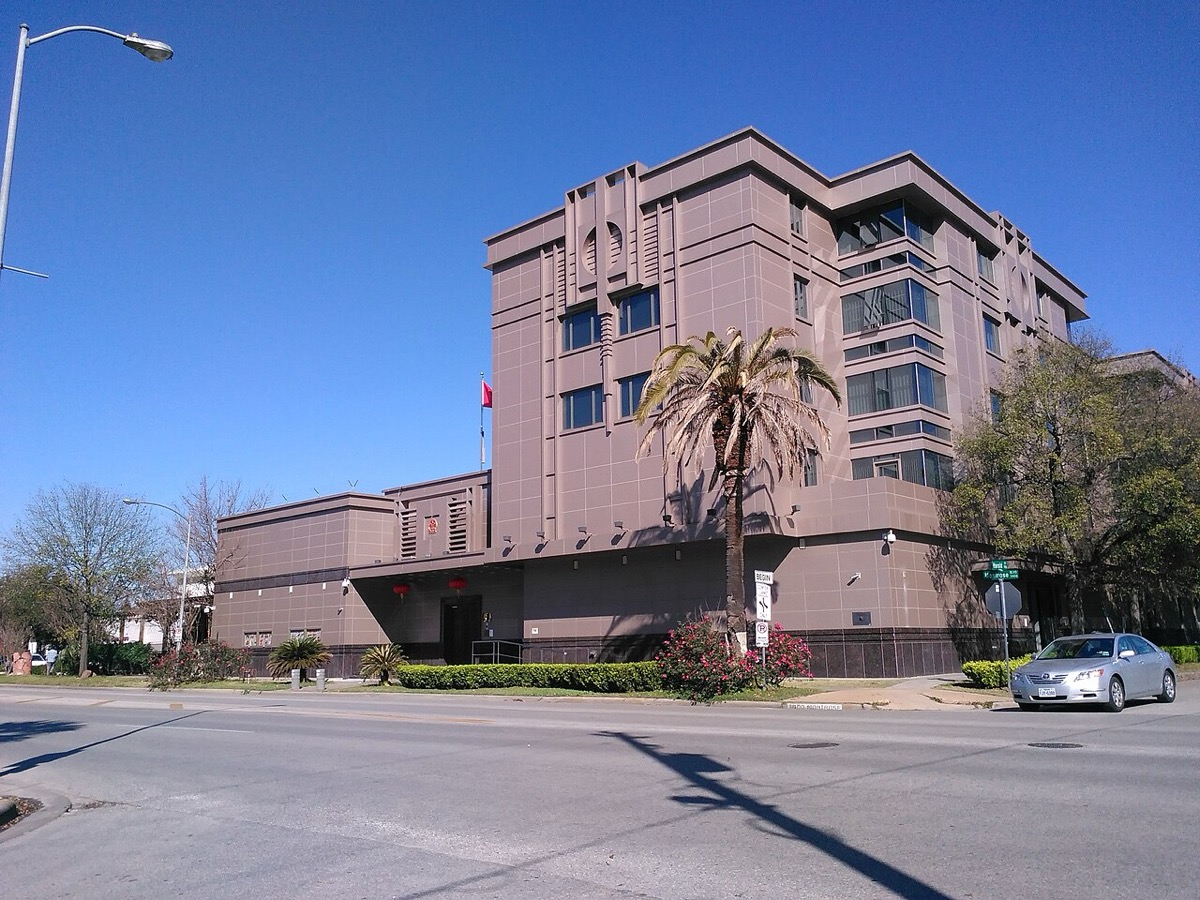
On July 22, 2020, the US government ordered China’s Houston consulate to close and gave diplomatic staff 72 hours to leave. Four days later, China retaliated by shutting the US consulate in Chengdu. If you source chemicals from factories in Sichuan, Yunnan, Guizhou, Tibet, or Chongqing, that retaliation just removed your primary official channel for everything from notarised documents to commercial dispute support. And this happened at a time when most American buyers were already twelve months into zero physical access to their Chinese suppliers. That is a material change to your supply chain risk profile, not a diplomatic footnote.
What Actually Got Disrupted When the Consulates Closed
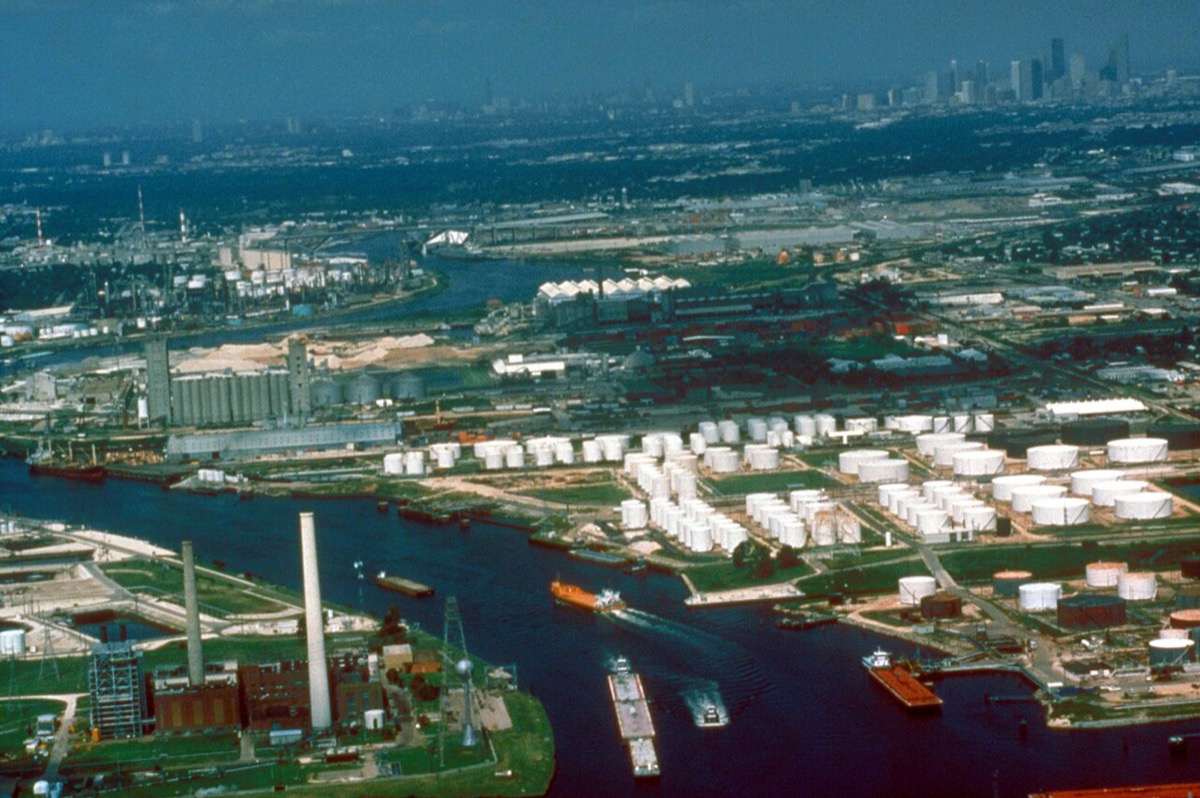
The Houston Chinese consulate closure hit Chinese nationals and Chinese-owned businesses operating in the US Gulf Coast region hardest. That coastline is home to some of the densest petrochemical and refining infrastructure in the world, so Chinese technical delegations and commercial visitors who had been processing visas through Houston suddenly had no local option.
The Chengdu closure was a different problem entirely, and it is the one US chemical importers should care about more. Chengdu served all of western China. American businesspeople needing consular services in Sichuan, which produces meaningful volumes of phosphorus derivatives and specialty agricultural chemicals, were left without a US diplomatic presence across their entire operating region.

The four remaining US consulates in Shanghai, Guangzhou, Shenyang, and Wuhan were already running skeletal operations due to COVID staffing cuts. Notarisation of commercial documents, assistance with contract disputes, emergency consular support: all of that effectively ceased for western China. Not slowed. Ceased.
The Visa and Travel Situation Was Already a Disaster
Business travel to China was near zero in July 2020 before any of this happened. Chinese visa processing for American nationals had been crawling since February, and the diplomatic deterioration accelerated the backlog at every consulate still processing applications. If you were a procurement manager or quality engineer who needed to visit a Chinese factory floor, you were not getting there through any normal channel in the second half of 2020.
That matters specifically for chemical procurement. Factory audits for chemical suppliers mean reviewing safety documentation, verifying GHS-compliant labelling and storage practices, checking batch records against certificates of analysis, and physically inspecting production equipment for contamination risk between product runs. You cannot do any of that properly from a PDF submission the supplier has prepared for you.
By mid-2020, most American chemical importers had gone six to twelve months without direct physical access to their Chinese suppliers. For companies that audit annually, that is a full audit cycle missed with no clear timeline for when the next one becomes possible.
How to Run a Credible Supplier Audit Without Sending Your Own People
You have three realistic options. None of them are as good as sending your own quality engineer, but two are genuinely useful if you run them properly.
| Audit Method | Best Use Case | Limitations | Approximate Cost |
|---|---|---|---|
| Third-party inspection (SGS, Bureau Veritas, Intertek) | Baseline compliance verification, ongoing monitoring | Follows a protocol, not your specific technical investigation | $800 to $2,500 per audit |
| Structured document review + live video walkthrough | Ongoing monitoring of established suppliers | Does not replace physical inspection, requires planning | Staff time plus interpreter cost |
| Technical pre-qualification service (SGS, BV) | Qualifying a new supplier | More expensive, takes longer | $2,000 to $5,000 per report |
The first option is third-party inspection through agencies with established Chinese staff on the ground. SGS, Bureau Veritas, and Intertek all maintained local Chinese operations through the diplomatic freeze without disruption. Their auditors can conduct on-site factory assessments, pull batch samples for laboratory analysis, and generate standardised audit reports against frameworks like ISO 9001 and applicable GMP standards. The honest limitation: a third-party auditor follows a protocol. They are not going to spend four hours doing the specific product-quality investigation your own engineer would run. Use them for baseline compliance verification, not deep technical due diligence.
The second option is structured document review combined with a live video walkthrough. This is more useful than it sounds if you design the protocol properly. Require your supplier to courier original batch records, not scanned copies. Schedule a live video call with a qualified interpreter during active production of your specific product. Have the plant manager walk you through reactors, storage tanks, and filling lines in real time and document everything you see. It does not replace a physical audit, but it maintains meaningful oversight.
What GACC’s H1 2020 Numbers Mean for Your Q3 and Q4 Pricing Window
GACC released H1 2020 trade data in July. China’s trade surplus for the first half of 2020 reached $178 billion. China’s June 2020 exports hit $213.6 billion, up 0.5% year-on-year despite everything COVID threw at it. That told you Chinese export manufacturing was recovering faster than most external forecasters had predicted at the start of the year.
For chemical importers, that recovery has a specific implication for timing. Chinese chemical factories that had cut production runs in Q1 to manage working capital through lockdowns were restaffing and rebuilding inventory in Q2 and Q3. Supply availability was improving heading into H2 2020. But the urgency Chinese suppliers had felt to offer pricing concessions back in April and May was easing as their order books filled again.
If you were planning to lock in annual pricing for chemical inputs in Q3, the GACC data was a signal not to wait. Factory utilisation rates were climbing, raw material costs in China were recovering, and the pricing window created by distressed-seller conditions in Q1 was closing faster than expected.
Protecting Your Contracts When the Institutional Backstops Are Gone
The diplomatic freeze created a specific risk for US companies in active commercial relationships with Chinese partners. The normal institutional infrastructure for dispute resolution was operating at reduced capacity or not at all. If you are entering new supplier agreements right now, several contract provisions need your attention.
Specify arbitration jurisdiction explicitly. International Chamber of Commerce arbitration seated in Singapore or Hong Kong has historically been enforceable against Chinese companies under China’s commitments to the New York Convention. Do not rely on language that defaults to Chinese domestic courts if you are a US buyer without a local legal presence.
Include a force majeure clause that specifically addresses government-ordered production shutdowns, export licence delays, and travel restrictions. Generic force majeure language can be interpreted very broadly by Chinese suppliers trying to exit unfavourable contracts, and the COVID period demonstrated exactly how that plays out. Narrow the definition to specific triggering events, and specify notice periods and cure timelines.
Add an inspection rights clause that explicitly permits third-party auditors nominated by the buyer to access the facility on reasonable notice. Get this agreed in writing before a dispute arises, so that a Bureau Veritas audit request during a quality dispute cannot be refused on the grounds that your contract is silent on third-party access.
Require that certificates of analysis be issued by an accredited third-party laboratory, not by the supplier’s internal quality control department. This is standard practice for pharmaceutical raw materials and inconsistently applied in the industrial chemical space. Making it a contractual requirement removes the most common source of specification disputes before they start.
What You Need to Do Right Now
Run a simple risk audit of your China supply base. For each supplier, ask yourself: when did you last physically visit this factory, what is your third-party verification arrangement if you cannot visit, what does your contract say about inspection rights and arbitration, and what is your lead time to qualify an alternative source if this relationship deteriorates?
If any of those answers are “I do not know” or “the contract does not address that,” you have work to do. The Houston consulate closure and the Chengdu retaliation are signals of a relationship that both governments have allowed to deteriorate past the point of easy repair. That is not a reason to blow up your China sourcing. It is a reason to stop treating institutional backstops as reliable and start building supply chain resilience that does not depend on them.
The buyers who do this work now will have more options when the next disruption hits. And there will be a next one.