The MV Ever Given ran aground in the Suez Canal on March 23, 2021. Six days later it finally moved. By then, 369 vessels were queued at both ends of the canal and Allianz had estimated the disruption at $9.6 billion per day. That figure gets cited everywhere and then forgotten. What nobody talks about in enough detail is how those costs actually land on your invoice, what chemical tankers specifically went through, and what your exposure looks like if you are running a China-sourced chemical programme without any route contingency in your contracts.
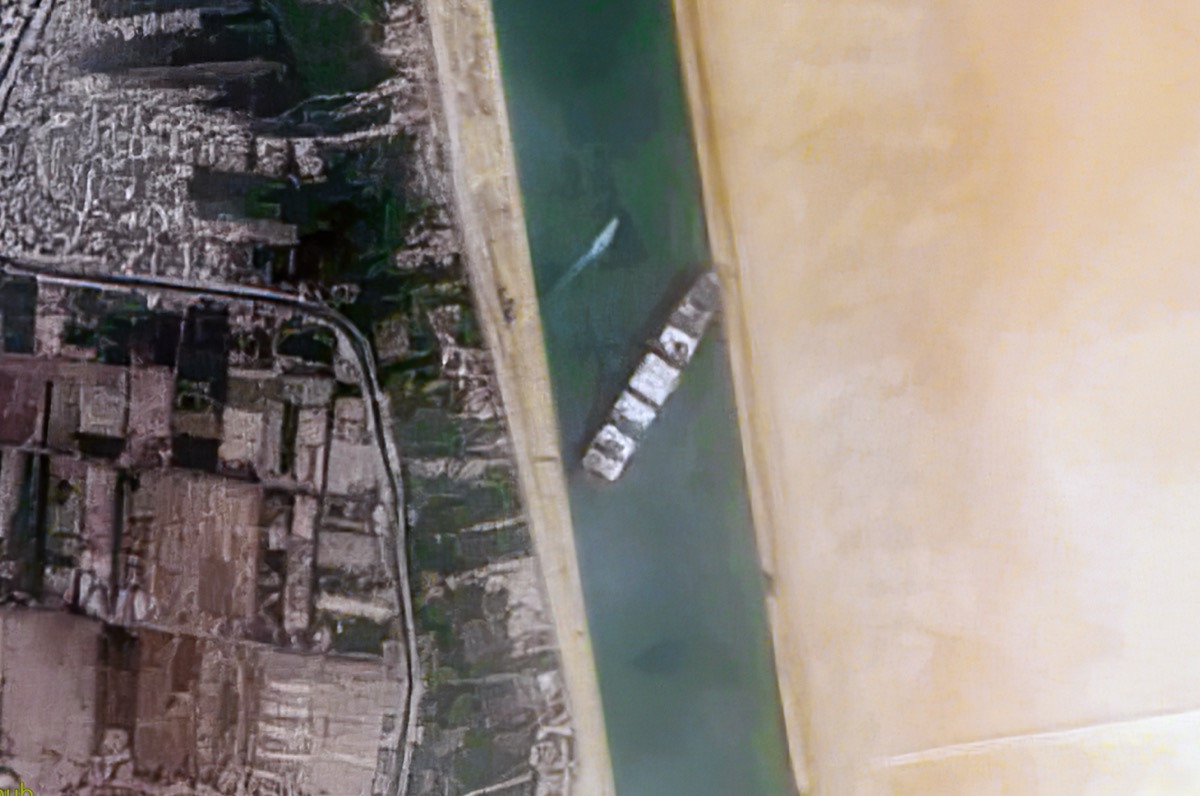
Why a Single Grounded Ship Could Shut Down 12% of Global Trade
The Ever Given is one of the largest container ships ever built: 400 metres long, 59 metres wide, carrying approximately 224,000 deadweight tonnes. When a vessel that size goes sideways in a canal that is roughly 300 metres wide at most points, you do not move it with a couple of tugboats and some optimism. The Suez Canal Authority worked at it for days before a combination of dredging, tug operations, and a favourable high tide finally freed it on March 29.
The Suez Canal handles around 12% of global trade by volume. That number undersells its importance for specific lanes. For China-to-Europe chemical shipments, and for China-to-US-East-Coast cargo routing through the Mediterranean, the Suez is not one option among several. It is the route. The $9.6 billion per day figure represents the combined value of goods that would normally transit in a 24-hour window. Over six days, that is roughly $54 billion in delayed cargo: not destroyed, not lost, but stuck in a queue generating costs at every link in the chain.
How $9.6 Billion Per Day Translates to What Shows Up on Your Invoice
For vessels that chose to divert rather than wait, the only realistic alternative was routing around the Cape of Good Hope. For China-to-US-East-Coast cargo that would normally go Suez-Mediterranean-Atlantic, that detour adds approximately 8 to 12 extra days to the total voyage depending on origin and destination ports. For China-to-Europe it is 12 to 15 days.
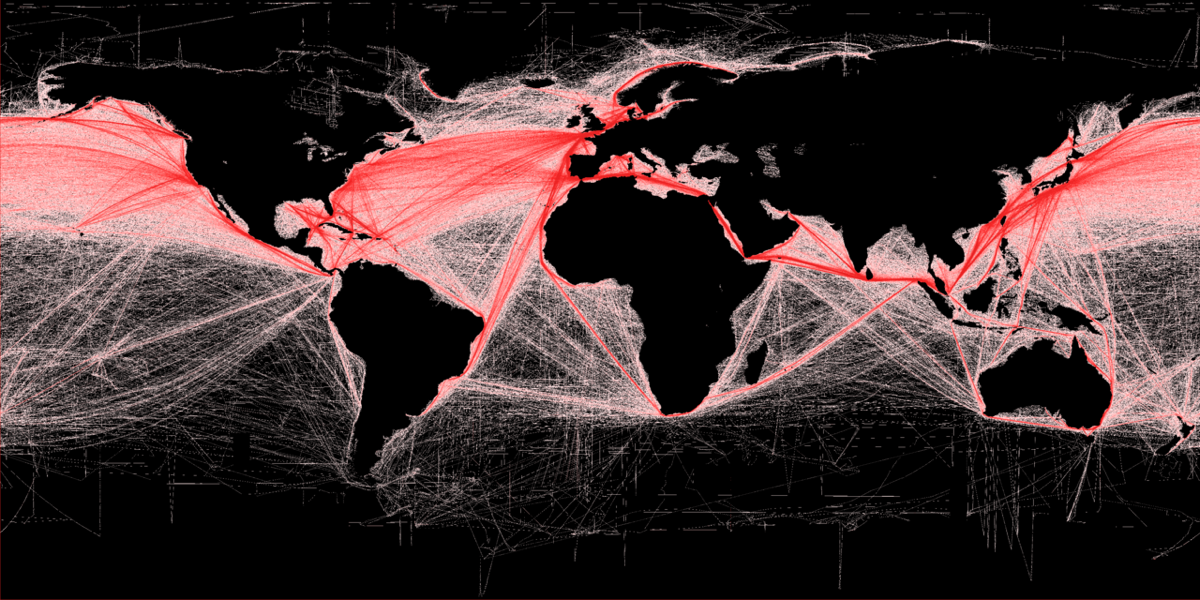
The bunker fuel cost of that detour is not trivial. At 2021 bunker fuel prices, rerouting a large vessel around the Cape costs approximately $300,000 to $500,000 in additional fuel per vessel. Spread across 18,000 loaded containers, that works out to $17 to $28 per container in incremental fuel cost from rerouting alone.
| Cost Category | Per Vessel | Per Container (18,000 box ship) | Per MT (15MT chemical load) |
|---|---|---|---|
| Additional bunker fuel (Cape reroute) | $300,000 to $500,000 | $17 to $28 | $1.10 to $1.85 |
| Demurrage if waiting at anchor (4-8 days, chemical tanker) | $60,000 to $240,000 | N/A for containers | Applied to full cargo value |
| Container detention at congested destination port | N/A | $100 to $200/day per box | Varies by clearance time |
| Financing cost on delayed cargo (10 extra days, $50,000 cargo) | N/A | ~$140 at 10% annual | ~$9/MT |
That incremental fuel cost sounds manageable in isolation. But it does not arrive alone. Add extended voyage time to demurrage exposure on cargo arriving late. Add the carrying cost of inventory sitting on a vessel for 10 to 12 extra days. Add the cost of extending letters of credit or adjusting payment terms when arrival dates shift by nearly two weeks. Add the customer service cost of managing downstream delivery commitments you can no longer meet. For a 20-MT ISO tank of liquid chemical at a product value of $40,000 to $60,000, an additional 10 to 12 days of transit adds real financing cost on top of every freight surcharge.
Chemical Tankers Cannot Just Turn South
Container ships can divert around the Cape with logistical complexity but no fundamental operational constraints. Chemical tankers are a different matter entirely.
Specialised vessels, particularly IMO Type II and Type III chemical parcel tankers, operate under strict regulatory frameworks covering cargo compatibility, tank coating requirements, and handling procedures. A single vessel often carries six to twelve different chemical cargoes simultaneously, each in a segregated tank, each destined for a different discharge port. A routing change on one of these vessels is not a simple call between the master and the owner. It requires coordination across multiple cargo owners, shippers, port authorities, and regulatory bodies, and that takes time that nobody had during a six-day window.
Some liquid chemical cargoes also require temperature-controlled transport: heated tanks for materials that solidify below certain thresholds, refrigerated tanks for cryogenic products. Extended voyage time around the Cape, combined with the mechanical load of maintaining temperature control for an extra 8 to 15 days in open ocean conditions, creates real operational cost and product integrity risk. For certain products, the Suez route is not a preference. It is a technical requirement. Those vessels did not divert. They waited at anchor, and their cargo owners paid the bill.
Demurrage and Detention: The Costs That Show Up Three Months Later
Vessels queued at the Suez approaches during those six days were not sitting at anchor for free. Demurrage charges for vessels waiting in port queues accumulate at daily rates set by the charter agreement. For a medium-sized chemical tanker, those rates typically run $15,000 to $30,000 per day under standard ASBATANKVOY or Shellvoy charter terms.
A vessel that waited four to eight days before transiting generated $60,000 to $240,000 in demurrage costs. Those costs do not disappear. They flow back through the freight agreement to the charterer and, in many cases, eventually to the cargo owner as a surcharge or claim against the shipping contract. You might not see it for weeks after your cargo arrives.
Container shippers had a related but separate problem: detention charges for boxes that could not be returned within the free period because port congestion downstream from the Suez was overwhelming terminals when vessels finally arrived in a compressed cluster. Free time at US East Coast and European ports is typically five to seven days. When a dozen vessels clear the blockage simultaneously, terminal capacity does not magically scale to meet them. Detention at $100 to $200 per container per day added up fast for importers who could not get their containers picked up and returned quickly enough.
What Your Cargo Insurance Policy Actually Covers
This is where most chemical importers find gaps they did not know existed, usually at the worst possible moment.
Standard cargo insurance under Institute Cargo Clauses (A) or similar all-risk policy covers physical loss or damage to cargo. It does not cover delay. If your chemical shipment arrived 10 to 12 days late because your vessel diverted around the Cape, your cargo insurance policy does not compensate you for the cost of that delay, the financing cost of goods stuck in transit longer than planned, or any downstream penalties you incurred with your customers.
Demurrage recovery under cargo insurance is equally limited. Demurrage is a commercial cost of the shipping contract, not a physical loss, and most standard cargo policies explicitly exclude it. For chemical cargoes where extended transit created product degradation, the situation gets more complex. Some specialty chemicals have shelf-life constraints or require temperature maintenance documentation throughout transit. If your cargo arrived outside specification because of temperature excursions during a rerouted voyage, the insurance claim pathway requires detailed evidence that is hard to assemble after the fact.
Review your cargo insurance terms now, before the next disruption. Understand exactly what delay-related costs your policy covers and what the claims documentation requirements are.
What Six Days Revealed About Single-Route Dependency
The Ever Given blockage lasted six days and paralysed roughly 12% of global trade volume for that period. The ripple effects in port congestion and freight scheduling persisted for weeks afterward. The Suez Canal has been closed before. It was closed for eight years from 1967 to 1975 following the Six-Day War. Shipping adapted entirely to Cape of Good Hope routing for nearly a decade. The practical risk for a chemical importer sourcing from China is not that the Suez closes for years again. It is that single-route dependency creates a fragility that shows up in your landed cost during any disruption, however brief.
Building Route Flexibility Into Your Contracts Now
Building route flexibility into your China chemical sourcing contracts does not require major structural changes. Include routing flexibility language in your freight contracts that allows your forwarder to reroute via the Cape without requiring fresh written authorisation each time. Negotiate demurrage liability caps rather than leaving them open-ended. For sensitive chemical cargoes, make sure your vessel selection includes carriers with Cape of Good Hope operating capability if you are moving temperature-controlled products.
For buyers on the US West Coast, the calculus is different: China-to-US-West-Coast routing via the Pacific does not involve the Suez at all, and this incident did not touch those lanes. But for East Coast and Gulf Coast chemical importers sourcing from China, the Suez Canal is in your critical path. The Ever Given blockage, like the Texas freeze a month earlier, is a data point you should be building into your risk model.
Six days of Suez closure translates to specific, calculable costs: $17 to $28 per container in incremental bunker fuel, $60,000 to $240,000 in potential demurrage per waiting chemical tanker, plus detention charges, financing costs, and downstream customer penalties on top. Run those numbers for your own programme. If the answer is uncomfortable, that is exactly the right time to fix the contracts.