At 00:01 Eastern on 4 June 2025, the Section 232 rate on steel and aluminum imports into the United States doubled from 25% to 50%. The Proclamation had landed on the president’s desk the afternoon of 3 June and the CBP implementation guidance was out by close of business the same day. If you were sitting in an Australian office watching the timeline, you had roughly nine hours from announcement to entry to rework any in-transit declarations touching HS 72, 73 or 76.
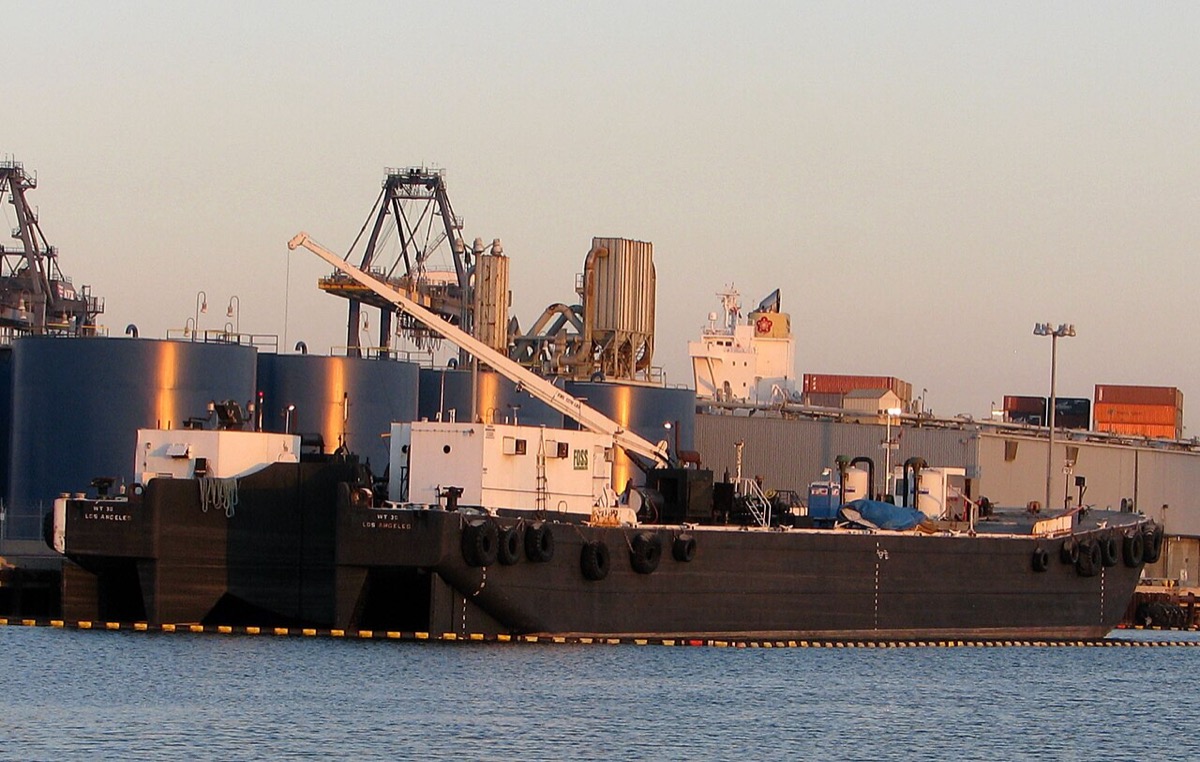
Forty-eight hours later, the Port of Los Angeles posted its June throughput numbers and the Executive Director went on record: 892,340 TEUs moved through the San Pedro complex in June, the busiest June in the port’s 117-year operating history. Front-loading worked. Importers who read the June 3 memo pulled forward every metal-heavy shipment they could find a slot for, and the terminals at Pier 400 and APM didn’t stop moving boxes for three weeks straight.
If you’re buying chemical plant equipment, catalyst carriers, metal-substrate coated products or anything with a meaningful steel or aluminum content from a US-touching supply chain, the 50% rate has already reset your cost base. This one looks at the maths.
What Actually Changed on June 4
The June 3 Proclamation modified the Section 232 tariffs originally issued under the 2018 national security finding. The headline rate moved from 25% to 50% on both:
- Steel articles classified under HTSUS Chapter 72 and the derivative list under Chapter 73
- Aluminum articles under Chapter 76 and derivatives
Country exemptions that had applied under various quota and arrangement deals were substantively narrowed. The UK retained a transitional 25% rate pending the US-UK Economic Prosperity Deal. Every other origin, including the EU, Japan, South Korea, Canada and Mexico, moved to 50% for steel and aluminum content.
The derivative product list matters for our sector. It covers steel fabrications, aluminum extrusions, structural shapes, tanks, pressure vessels, pipes and tubes, flanges, fittings, wire, cable, and a long schedule of downstream articles. If your chemical equipment spec sheet lists a reactor vessel, a heat exchanger, a distillation column shell, a storage tank or a stainless pipe run, you’re in the derivative list.
The CBP guidance clarified two operational points:
- The 50% rate applies to the metal content value, not the full invoice value, for derivatives where the steel or aluminum is a component rather than the whole article. Importers must substantiate the metal content on entry.
- Where goods were laden on the vessel before 00:01 Eastern June 4 and entered for consumption before June 30, the prior 25% rate applied. Everything on water after June 4 laden date paid 50%.
That June 4 laden cutoff is why LA had its record month. Any box that could be gated onto a vessel before June 4 became a front-loading asset.
Why the Australian Chemical Importer Cares
You might be reading this thinking the US tariff schedule is a problem for US importers. It is. It’s also a problem for anyone whose landed cost in Melbourne depends on equipment or raw materials that transit a US-linked supply chain, and that is more of you than you think.
Three pathways matter:
Pathway one: US-origin chemical equipment. Reactor skids from Koch-Glitsch, centrifuges from Alfa Laval’s Houston operation, Sulzer column internals fabricated in Tulsa, custom pressure vessels from Hahn Tank in Texas. If the fabrication is in the US and the steel or aluminum is sourced domestically at mill level, you avoid the import duty but you pick up the flow-through price increase as US mills lift quotes to match the new import parity. US HRC futures on CME moved from around US$720 per short tonne in late May to over US$910 per short tonne by June 10. That 26% mill-gate jump flows straight into your fabricator’s quote.
Pathway two: US-transit catalyst carriers and substrates. A lot of specialty catalyst manufacturing runs China to US for impregnation and activation, then reships globally. Alumina carriers, cordierite monoliths, silica supports. When Criterion or Albemarle imports the raw carrier from a Chinese or Indian supplier, the ceramic body itself isn’t Section 232, but the metal cladding, the steel reactor basket fabrication, the aluminum shipping drums and the structural racking all are. A catalyst charge landed in Melbourne that moves through a US blender site picks up 4% to 7% of incremental cost depending on the metal content accounting.
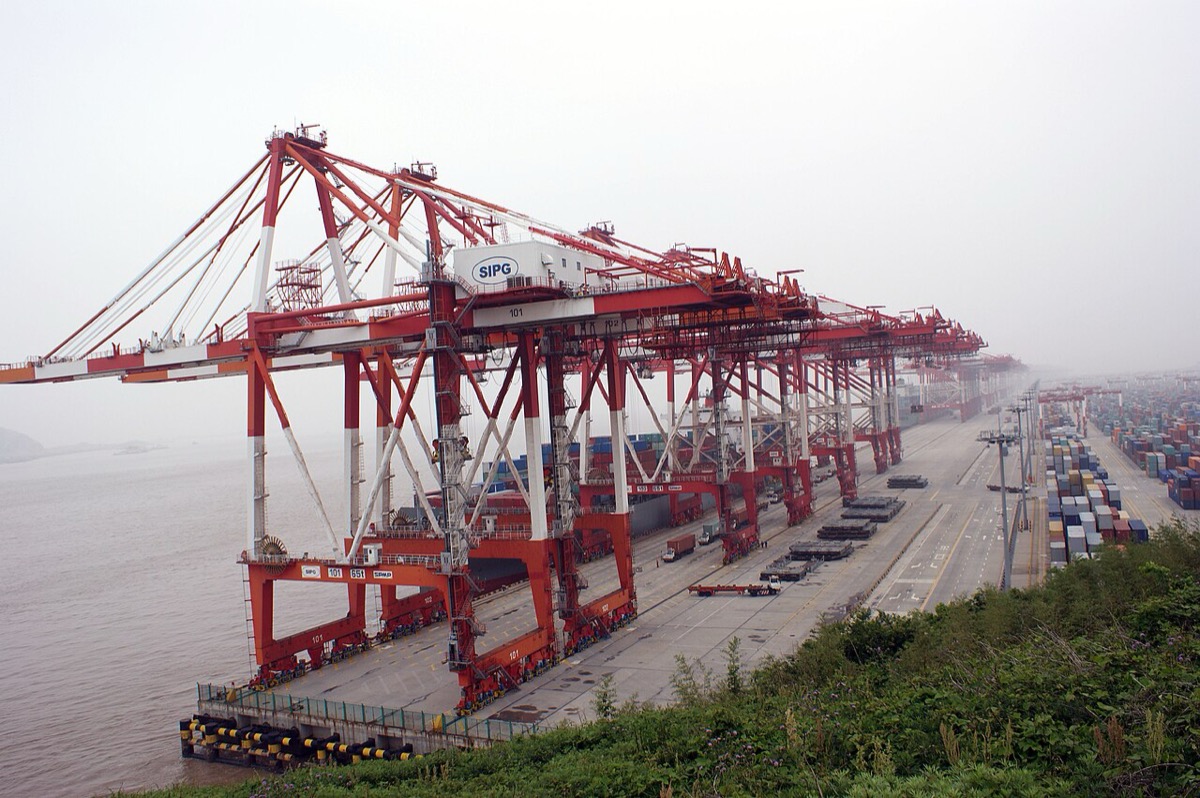
Pathway three: Chinese raw materials where US demand sets the marginal price. This is the subtle one. When US buyers get priced out of European or Japanese aluminum chemistry precursors because the landed cost jumped 50%, they pivot to Chinese supply. That pulls Chinese capacity away from Australian contracts. Wanhua, Sinopec Yangzi, and the mid-tier specialty houses in Zhejiang re-weighted allocations toward US spot buyers paying urgency premiums through June. If your Shanghai Yangshan FOB quote on a metallic-pigment or aluminum-chemistry precursor moved 8% to 12% in the fortnight after June 4 without a raw material justification, this is why.
The Landed Cost Maths
Let’s work a real example. You’re importing a 15,000 litre stainless reactor skid from a US fabricator for a specialty chemical plant commissioning in western Melbourne. The FOB Houston price agreed in March was US$412,000. Roughly 62% of that invoice value is steel content (316L stainless plate, structural frame, piping runs). Aluminum content is immaterial.
Pre-June 4 Section 232 at 25% on the metal content:
- Metal content value: US$412,000 x 0.62 = US$255,440
- Section 232 duty at 25%: US$63,860
- Duty-paid value into Melbourne pipeline: US$475,860
Post-June 4 Section 232 at 50% on the metal content:
- Metal content value: US$255,440
- Section 232 duty at 50%: US$127,720
- Duty-paid value into Melbourne pipeline: US$539,720
Delta: US$63,860 on a single skid. That’s before ocean freight, before the US mill-gate price passthrough on the fabricator’s raw steel input, and before any Australian GST and customs handling at Melbourne.
Now run the same maths with the mill-gate passthrough. Your fabricator re-quoted on June 9 at US$441,000 reflecting their own steel input cost rise. Work the new invoice:
| Line item | Pre-June 4 | Post-June 4 |
|---|---|---|
| FOB Houston invoice | US$412,000 | US$441,000 |
| Steel content value (62%) | US$255,440 | US$273,420 |
| Section 232 rate | 25% | 50% |
| Section 232 duty | US$63,860 | US$136,710 |
| Sub-total landed to vessel | US$475,860 | US$577,710 |
| Ocean freight Houston to Melbourne | US$4,800 | US$4,800 |
| Insurance at 0.35% | US$1,666 | US$2,022 |
| Australian customs handling + duty 5% on vessel | US$24,116 | US$29,227 |
| GST at 10% on CIF + duty | US$50,644 | US$61,376 |
| Total landed Melbourne | US$557,086 | US$675,135 |
That’s a 21.2% increase on the landed cost of a single piece of chemical plant equipment, entirely driven by a tariff decision made the afternoon of 3 June 2025.
The Port of LA Record and What It Tells You About Q3
892,340 TEUs in June was not a function of healthy US consumer demand. It was front-loading. Analysts at Drewry and the NRF Global Port Tracker had flagged the surge risk from the moment the June 3 Proclamation hit. What the record tells you is that every sophisticated US importer with metal exposure pulled forward Q3 and even some Q4 volume into May and June landings.
The operational read-through for your Australian planning cycle:
July and August US import volumes will drop sharply. Pre-ordered Q3 material is already on dock. Carriers will see soft northbound demand on the transpacific. Hapag-Lloyd and Maersk will pull blank sailings. MSC and CMA CGM will reshuffle the Asia-US West Coast loops. Rates will wobble.
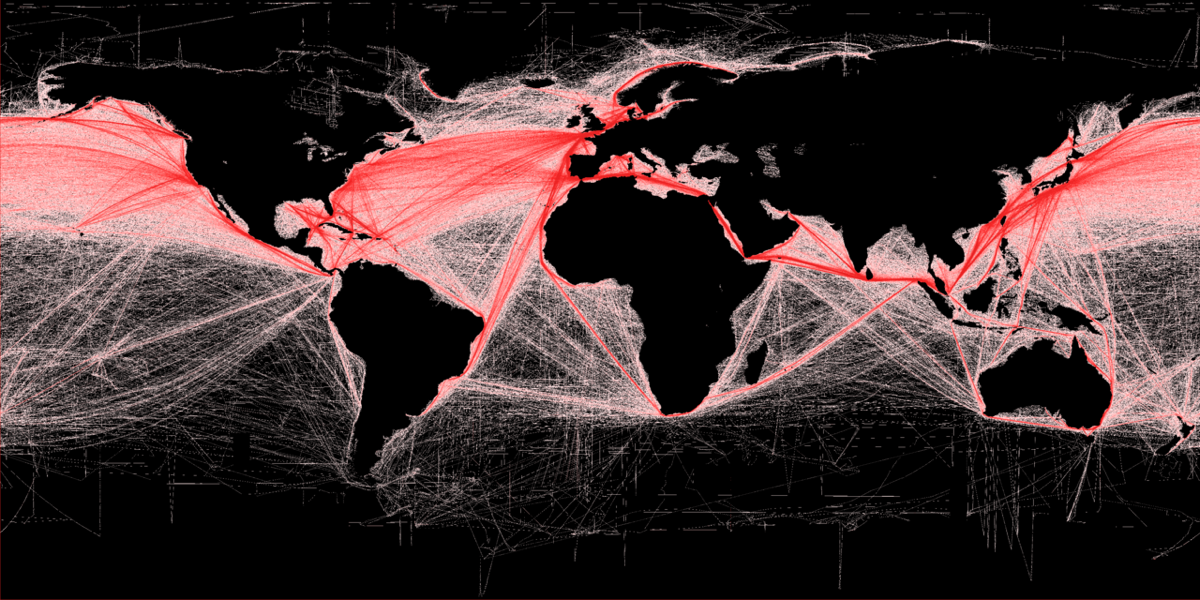
Asia-Australia will not decouple from that wobble. The transpacific backhauls and the vessel rotation economics mean that when the US leg softens, carriers rebalance tonnage onto Asia-Oceania and Intra-Asia loops. Expect some capacity loosening on the AU1, AAX and similar strings into Melbourne between mid-July and early September.
Chinese supplier lead times will ease. The urgency premium on chemical precursors with any metal exposure should unwind by late July as US spot buying cools. Push your next China quarterly tender into that window if you can.
Derivatives and the Paperwork Trap
The derivative provisions are where importers get caught. If your equipment has structural steel in it, the line on your commercial invoice that says “reactor skid” is not enough. CBP is now asking for:
- Melt and pour country of origin for the steel content
- Smelt and cast country of origin for the aluminum content
- Content value breakdown substantiated by mill certificates or fabricator affidavits
- HS classification at 10-digit for the derivative article
If your fabricator can’t produce a mill certificate chain back to the melt, you pay the 50% on the full invoice value as a fallback. On a US$441,000 skid, that’s the difference between US$136,710 and US$220,500 of duty. US$83,790 of paperwork risk on a single shipment.
For Australian importers receiving US-origin chemical equipment, work with your US fabricator now on:
- Mill certificate chain of custody from melt to finished article
- A clean content value allocation methodology, documented and reproducible across purchase orders
- A binding ruling from CBP on the specific derivative classification if you have a programme-level relationship
Your freight forwarder should be writing this into the booking checklist before the commercial invoice is even drafted.
What Happens if the UK Deal Gets Copied
The US-UK Economic Prosperity Deal held the UK at 25% pending a formal quota arrangement. If that template gets extended to the EU or Japan through Q3 negotiations, there’s a partial relief pathway for European-fabricated chemical equipment and European aluminum chemistry feedstocks.
Realistically, no one should plan around that relief in their Q3 budgets. Treat the 50% rate as the steady state for the rest of 2025 and into 2026. If a deal comes through for Europe, it’s upside. If it doesn’t, you’re not exposed to a bad assumption.
The Next 30 Days
Here’s what to actually do in the next four weeks:
- Pull every open US-origin chemical equipment PO and re-quote based on the June 4 rate. Decide which ones to cancel, which to renegotiate, and which to accept at the new landed cost.
- Audit your specialty catalyst and coated-substrate suppliers for US transit exposure. Ask them in writing whether any leg of the manufacturing touches a US facility where Section 232 metal content applies.
- Retender the next quarterly Chinese chemical precursor buy. Target a mid-July negotiation window when the US urgency premium should be unwinding.
- Get your forwarder to model the AU1 and AAX vessel rotation for August. Ask for a soft-demand rate offer on 40-foot high-cube reefer and dry containers Shanghai to Melbourne for September and October loadings.
- Update your internal landed cost calculator with the 50% Section 232 rate on all metal-content lines. Stop quoting internal stakeholders at the old 25% number; it’s costing you credibility.
The June 3 hike reset the US tariff landscape for the rest of this year. Australian importers who rebuild their cost models around the new rate and exploit the Asia capacity loosening in Q3 will land their 2025 budgets. Those still quoting off pre-June numbers in August will not.
If you want a second set of eyes on your exposure map before the next PO cycle closes, that’s exactly what we do. Send us your open book and we’ll run the Section 232 content allocation and the Asia rerouting scenario side by side.